
Why Air Distribution Design Plays a Major Role in Energy Consumption
The design of air distribution systems plays an important role in determining how efficiently buildings and industrial facilities use energy. Thoughtful planning helps move air where it is needed while reducing unnecessary pressure losses, temperature fluctuations, and equipment strain. Whether a system supports heating and cooling or compressed air applications, efficient distribution can lower operating costs while improving reliability. Facilities that rely on an industrial compressed air service may also benefit from evaluating how piping layouts, pressure requirements, controls, and maintenance practices influence overall energy consumption. Understanding the relationship between system design and energy efficiency can help building owners, engineers, and facility managers make better long-term decisions.
Understanding the Basics of Air Distribution Design
Air distribution systems have evolved considerably over time. Early buildings relied heavily on natural ventilation through windows, openings, and ventilation towers. As buildings grew larger and industrial processes became more sophisticated, mechanical systems incorporating fans, ducts, pipes, vents, and controls became necessary. Modern systems are designed to deliver predictable airflow while maintaining appropriate pressure and temperature conditions. Their effectiveness depends on selecting suitable components and arranging them so that air travels efficiently from the source to its destination.
Important components include ductwork or piping, fans or compressors, dampers, valves, diffusers, filters, and control systems. Each component can affect pressure, airflow, and energy consumption. Poorly sized passages, unnecessary bends, leaking connections, or obstructed components increase resistance and force equipment to work harder. Proper sizing and layout can therefore reduce wasted energy while extending equipment life.
How Distribution Design Affects Energy Use
Efficient air distribution is closely connected to overall system performance. When airflow reaches its destination with minimal resistance, equipment does not need to generate excessive pressure or operate longer than necessary. Conversely, poorly designed systems can experience significant pressure drops that increase energy demand. According to The Compressed Air Blog, poorly designed compressed air system layouts can add as much as 10 psi of unnecessary pressure drop, potentially increasing energy consumption by approximately 5% to 7%.
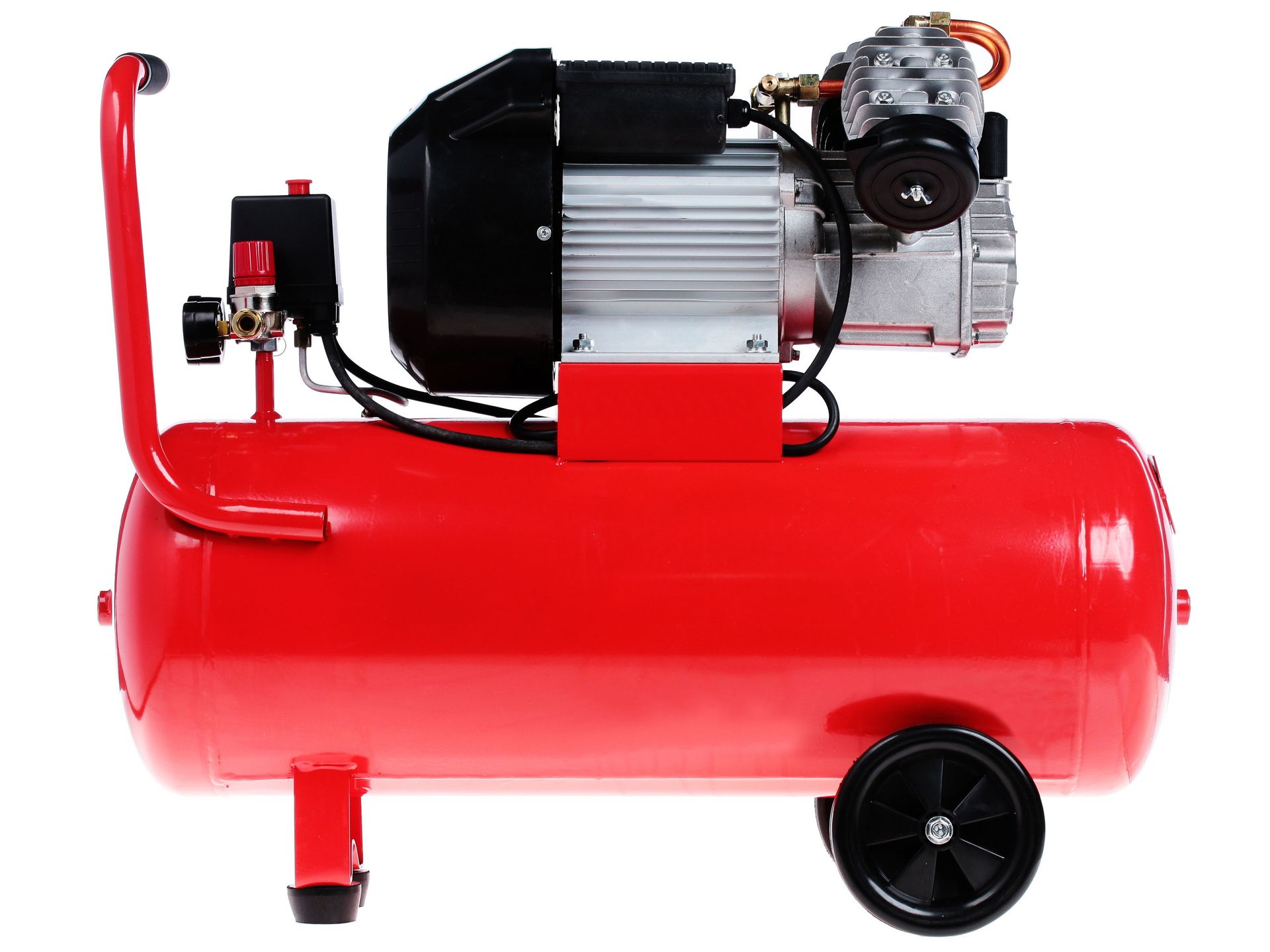
Facilities using an industrial compressed air service can examine piping diameter, routing, connection quality, and pressure settings to identify avoidable losses. Even small inefficiencies throughout a large network can accumulate into substantial energy costs. Correcting these problems may allow compressors, fans, and other equipment to operate at lower loads while still satisfying production requirements.
Reducing Leaks and Pressure Losses
Air leaks are among the most common sources of wasted energy in distribution systems. Openings around connections, seals, fittings, hoses, and damaged sections allow conditioned or compressed air to escape before reaching its intended destination. Equipment must then operate longer or produce greater pressure to compensate for those losses. Regular inspection and prompt repairs can reduce unnecessary energy demand while improving consistency throughout the system.
Pressure loss can also occur when air travels through undersized piping, excessive bends, clogged filters, partially closed valves, or poorly configured components. An industrial compressed air service can help evaluate system pressure at several points to determine where significant drops occur. Correcting restrictive areas may reduce the pressure required at the compressor itself, lowering energy consumption without sacrificing performance at individual workstations or equipment.
Maintaining Balanced and Consistent Airflow
Balanced airflow ensures that each area receives the amount of air required without forcing other parts of the system to compensate. In HVAC applications, poor balance can produce uncomfortable hot or cold areas. In industrial environments, inconsistent pressure can interfere with pneumatic tools, automated equipment, and manufacturing processes. Both situations can cause operators to increase system output unnecessarily.
Balancing requires evaluating airflow requirements, system layout, pressure levels, and equipment demand. Dampers, valves, regulators, and controls can then be adjusted so that air is distributed appropriately. Maintaining consistent pressure near the actual point of use is often more efficient than raising pressure across an entire facility simply to address one poorly performing area.
Using Smart Controls and Automation
Modern control technology provides new opportunities to improve air distribution efficiency. Sensors can track airflow, pressure, temperature, equipment operation, and occupancy conditions in real time. Automated controls can then adjust system output according to current demand rather than operating continuously at maximum capacity.
For industrial systems, controls can help compressors cycle appropriately, coordinate multiple machines, or reduce output during periods of limited production. An industrial compressed air service may evaluate controls alongside mechanical components because inefficient sequencing can waste energy even when the piping network itself is well designed. Data collected through monitoring systems can also reveal unusual consumption patterns that suggest leaks, restrictions, equipment problems, or changes in production demand.
Selecting Efficient Equipment and Components
Equipment selection has a major influence on long-term energy performance. High-efficiency motors, variable-speed drives, correctly sized compressors, efficient fans, and properly selected filters can significantly reduce unnecessary power consumption. However, even efficient equipment can perform poorly when installed within an improperly designed distribution system.
Components should be selected according to expected airflow, operating pressure, environmental conditions, and future expansion plans. Oversized equipment may cycle inefficiently, while undersized equipment may run continuously at high loads. Considering both present and future requirements allows designers to create systems that can accommodate changing demand without unnecessary energy waste.
Integrating Air Distribution With Building Management Systems
Building management systems can provide centralized control over HVAC equipment, lighting, ventilation, and other building functions. Integrating air distribution controls into these platforms helps facility managers compare energy consumption with occupancy patterns, temperatures, schedules, and operational requirements. This coordination can reduce situations in which systems operate unnecessarily during unoccupied periods.
Industrial facilities can use similar monitoring platforms to track compressed air consumption across departments or production lines. Combining data from an industrial compressed air service inspection with ongoing monitoring can help determine whether efficiency improvements continue delivering expected results. Historical data can also support preventive maintenance by identifying gradual changes before they develop into significant failures.
Addressing the Needs of Industrial Facilities
Industrial environments often present unique air distribution challenges because demand can change rapidly throughout the day. Multiple machines may operate simultaneously during peak production, while demand falls sharply during breaks, maintenance periods, or overnight hours. Distribution systems must accommodate these fluctuations without maintaining unnecessarily high output at all times.
Ring-style piping systems, strategically placed storage receivers, appropriate pipe diameters, and localized pressure regulation can help stabilize industrial compressed air systems. Facilities may also separate high-pressure applications from equipment that requires lower pressure. An industrial compressed air service can evaluate whether certain processes are responsible for disproportionate demand and recommend ways to improve system configuration while supporting production needs.
Improving Existing Systems Through Retrofits
Facilities do not always need to replace an entire air distribution system to improve efficiency. Retrofitting can address specific weaknesses while preserving functional equipment. Projects may include sealing leaks, increasing pipe diameter in restrictive sections, replacing outdated controls, improving insulation, adding variable-speed equipment, or relocating components to reduce unnecessary distribution distances.
Before making changes, collecting baseline energy and performance data provides a useful comparison point. Engineers can then measure airflow, pressure, temperature, and energy consumption after improvements are implemented. This allows facility managers to determine whether the retrofit achieved its objectives and identify additional opportunities for optimization.
Supporting Efficiency Through Preventive Maintenance
Even a well-designed system will gradually lose efficiency without proper maintenance. Filters become clogged, seals deteriorate, valves wear, connections loosen, and equipment performance changes with age. Preventive maintenance helps identify these issues before they cause major energy losses or equipment failures.
Organizations should periodically reassess their systems as buildings expand, production requirements change, or new technologies become available. A distribution system that worked efficiently when first installed may become less suitable after years of modifications. Regular evaluation creates opportunities to correct developing problems before they generate excessive energy costs. By approaching air distribution as an interconnected system rather than a collection of individual components, facilities can achieve stronger performance, greater reliability, and more sustainable energy use. Contact Advance Air Compressor Sales & Repairs, INC today and learn more about our air compressor services.
Share On: